

10 African Biennials Every Artist Should Know
For a long time, the art world has trained its gaze in one direction. Europe has been positioned as the place where careers are made, where visibility is secured, where artists become real. That idea has been repeated so often that it begins to feel like a fact.
It is not.
Across the African continent, biennales have been building something far more grounded, far more necessary. Not as replicas of European models, but as spaces shaped by their own conditions, their own urgencies, their own audiences.
In Dakar, the Dak’Art Biennale has carried this work since 1990. The city does not pause for it, nor does it perform around it. The rhythm of daily life continues, and the biennale settles into that rhythm rather than interrupting it. What emerges is not spectacle, but presence. Artists gather, conversations unfold, and a network sustains itself without needing to announce its importance.
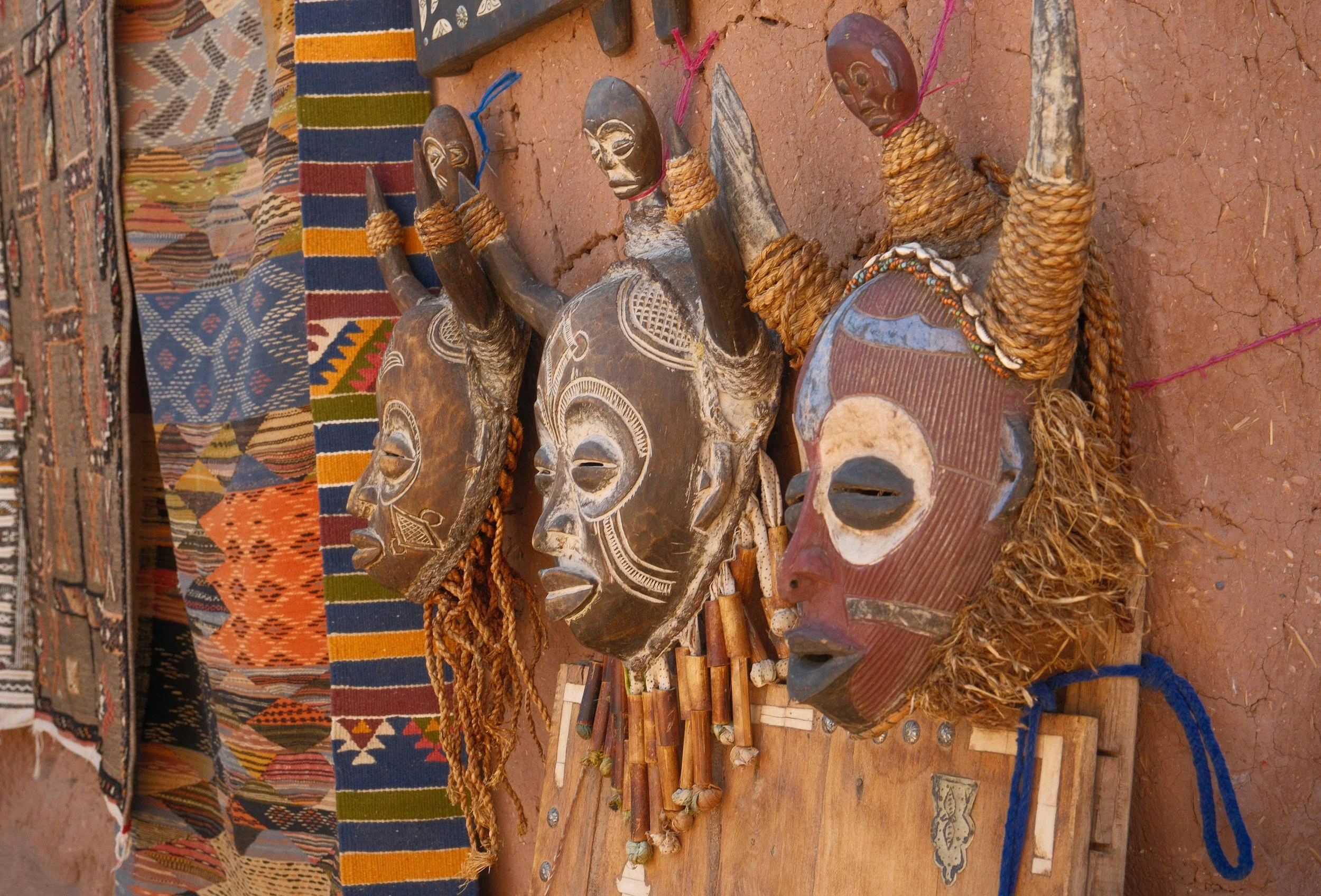
In Lubumbashi, the biennale moves through a landscape marked by extraction and labor. The work reflects this directly. There is no separation between the environment and what is produced within it. The artists who return are not chasing validation. They are participating in something that has chosen to exist regardless of whether it is being watched.
Bamako offers a different kind of continuity. Photography is given time there, space to accumulate meaning rather than disappear into the speed of circulation. The Bamako Encounters have shaped how African photography is seen and remembered, not through trends, but through persistence. Each edition adds to a growing record that refuses to be temporary.
These biennales do not announce themselves loudly, yet they have remained consistent. They have built frameworks, supported artists, and created exchanges that do not rely on proximity to Western institutions to matter.
Unfortunately, the pull toward Europe remains strong.

The belief persists that recognition must arrive from outside before it can be felt within. That being seen in Italy carries more weight than being rooted in Dakar, or Bamako, or Lubumbashi. It is a logic that has been carefully maintained, one that continues to shape where artists go, and what they believe is worth their time.
But the landscape is shifting, even if unevenly. The Alexandria Biennale has existed since the mid-twentieth century, long before many contemporary institutions came into focus. In Douala, art moves through the city itself, refusing to remain contained, insisting on being part of daily life rather than separated from it.
None of this is new. What is new is the urgency to pay attention? To understand these biennales is to understand that the center of the art world is not fixed. It moves. It forms wherever artists are willing to build without waiting to be acknowledged.
The question is no longer whether these spaces are worth going to. It is why they were overlooked for so long.
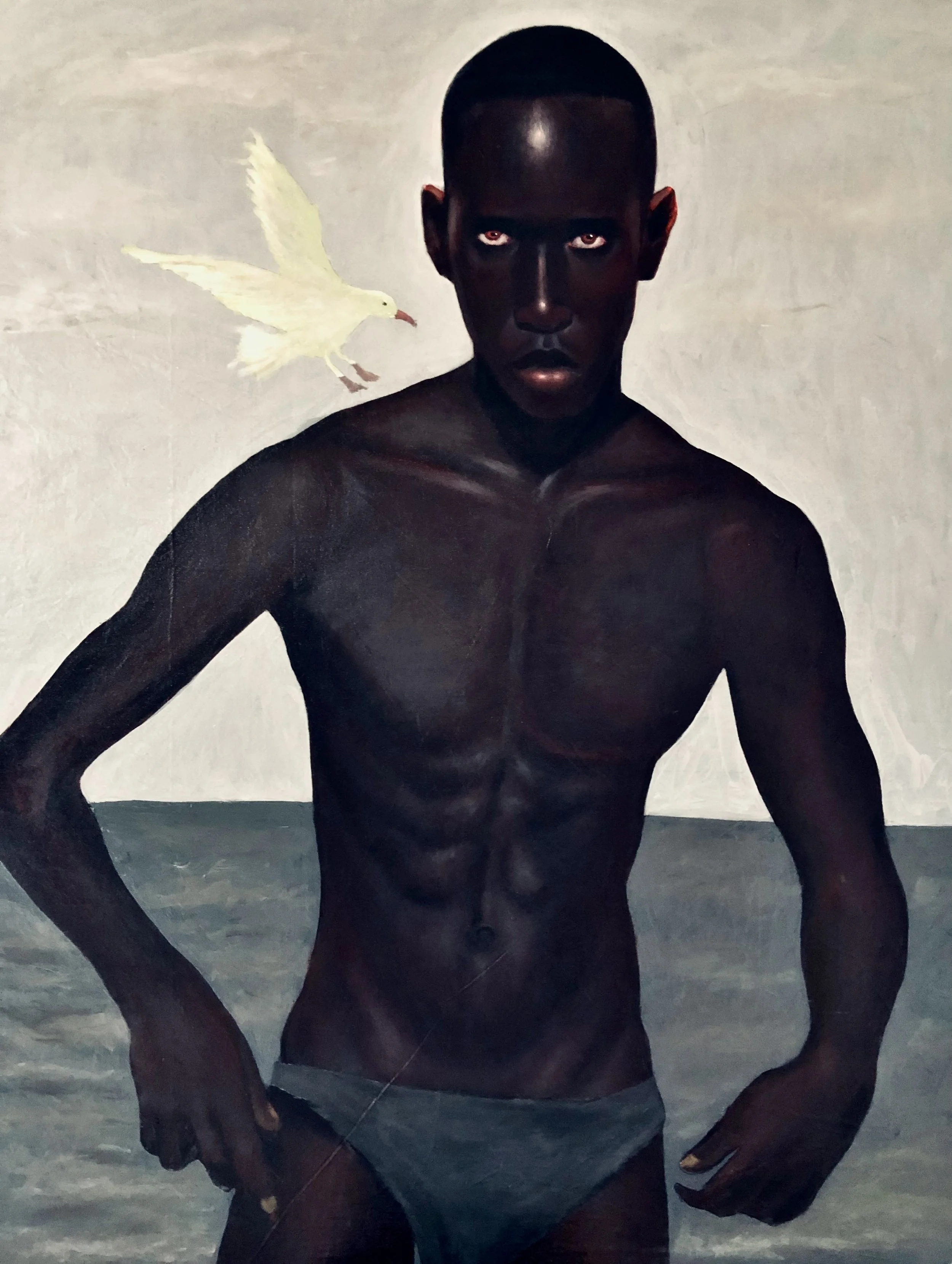
Peter Akinboye
Dak’Art – Biennale of Contemporary African Art (Dakar, Senegal): Since 1990 (15+ editions); Africa's flagship, held biennially with state support.
Biennale de Lubumbashi (Lubumbashi, DR Congo): Since 2008 (7 editions by 2022); every 2 years, known for industrial themes and artist-led consistency.
Bamako Encounters (Bamako, Mali): Photography biennial since 1994 (10+ editions); highly regular, backed by French cultural institutes.
Alexandria Biennale (Alexandria, Egypt): Since 1955 (14 editions); one of the oldest, focused on Mediterranean-African links, every 2 years.
Biennale de Douala / DUTA (Douala, Cameroon): Since 2007 (6 editions); urban art focus, consistently artist-initiated every 2-3 years.