

Why Certain Cities Become Artist Cities
There is a certain kind of city that produces artists. It is not clean. It is not stable. It is not funded in the ways people pretend matter. It is held together by absence. Berlin did not become Berlin because it was supported. After the Wall fell, entire sections of the city were left in suspension. Factories emptied, ownership blurred, buildings sat open long enough for artists to move in and claim space without permission. Studios appeared inside places that were never meant to hold them. The city did not invite this. It simply failed to stop it. What followed was called a scene, but it began as a gap.
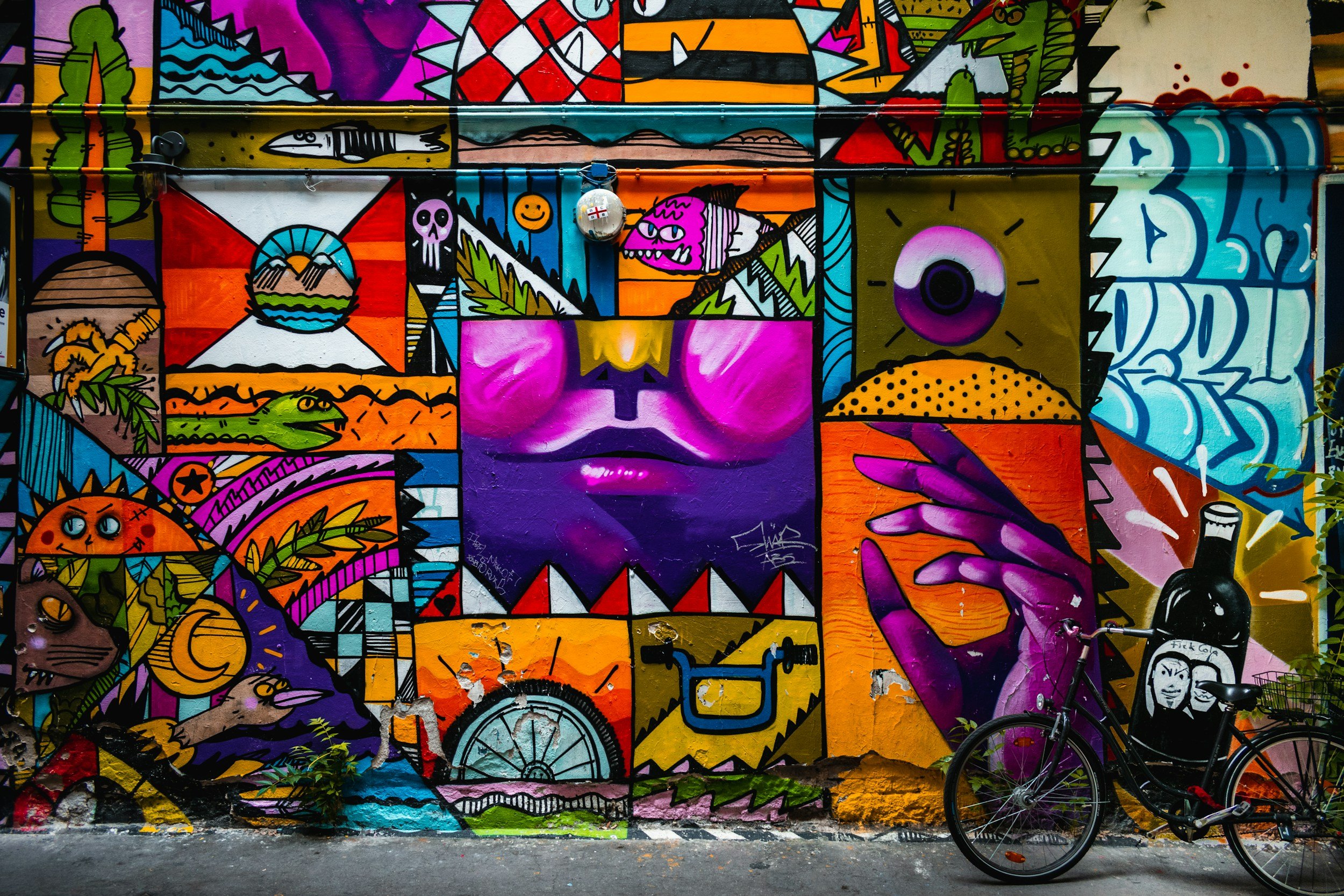
Graffiti in Berlin
New York tells the same story, just earlier. SoHo was not always desirable. It was industrial, underused, ignored. Artists moved into cast-iron buildings because they were the only ones willing to live and work in them. That presence created value. Galleries followed. Then money followed the galleries. The same pattern repeated in the Bronx, in Bushwick, in every place where space could be taken before it could be priced. Now those same areas are cited as cultural centers, but the conditions that made them possible have been removed.
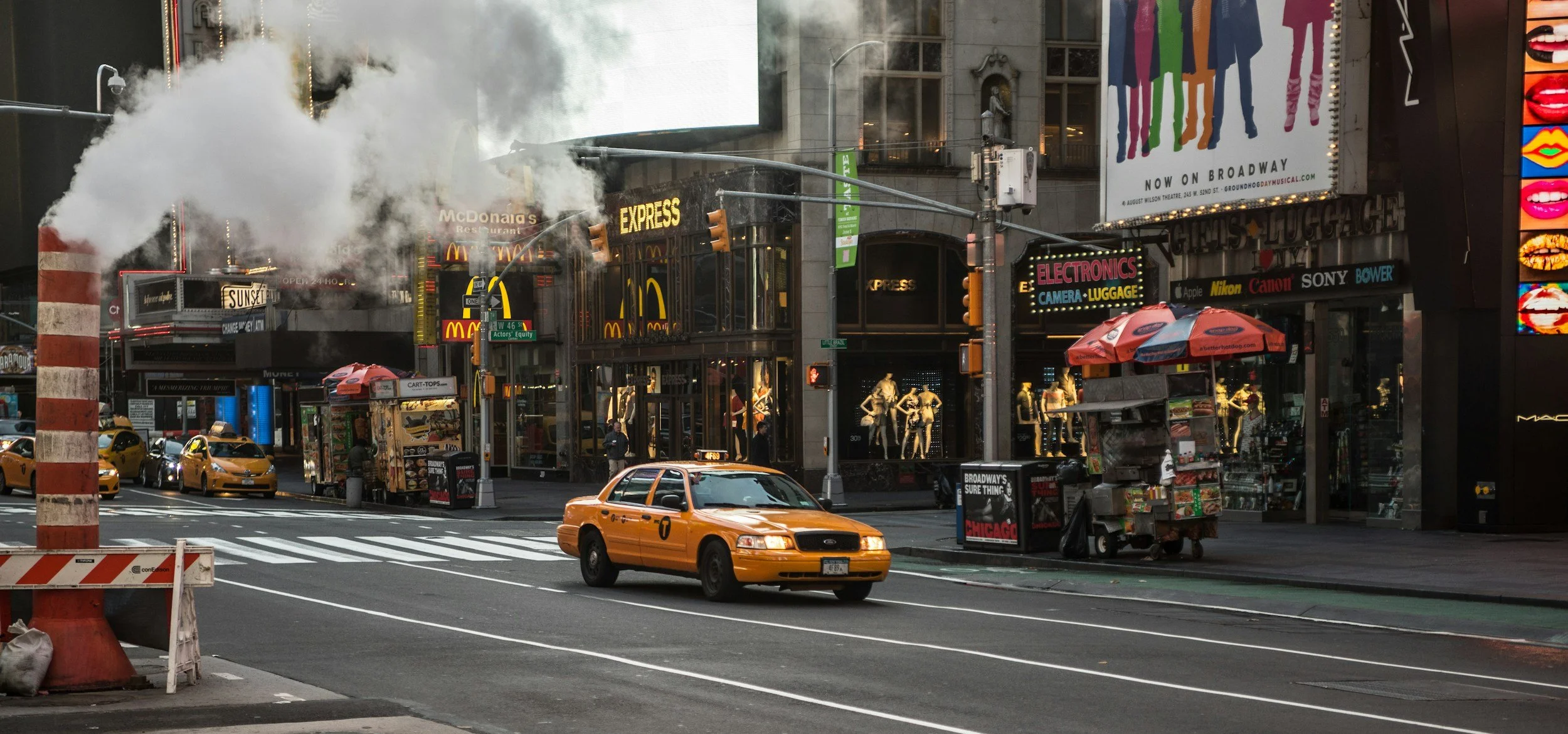
Bronx, NY
Dakar moves differently. The Dak’Art Biennale returns every two years and brings attention, but the city itself is doing the daily work in between. Artists build studios without guarantees. Exhibitions take place in homes, in streets, in spaces that shift depending on what is available. The infrastructure is not absent, but it is not secure. What exists is maintained through effort, not ease. The presence of support does not eliminate the instability underneath it.
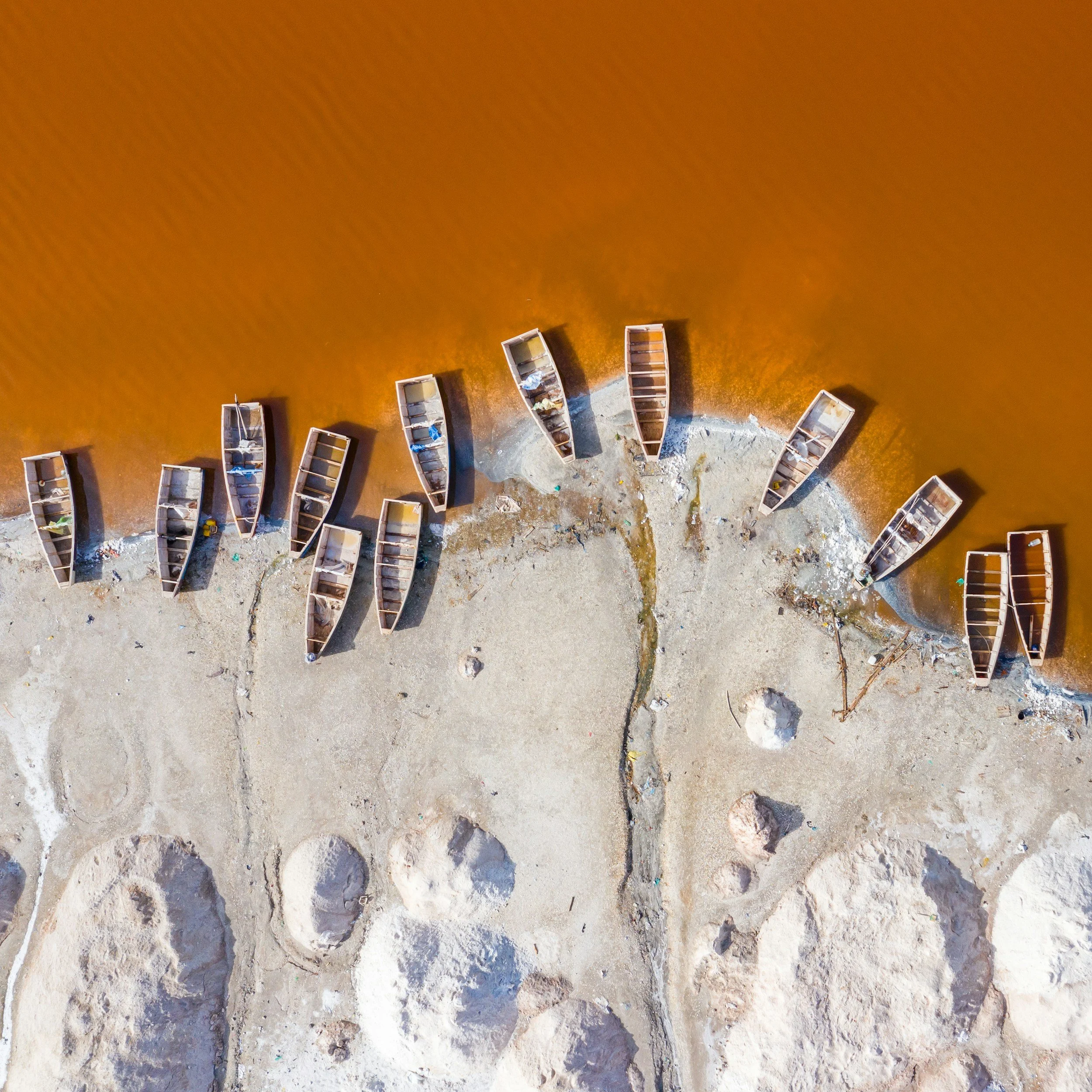
Lake Retba, Senegal
In Nairobi, the pressure is visible. The work carries it directly. Artists respond to political tension, to economic imbalance, to the constant negotiation of space and visibility. Centers like the GoDown have created room for production, but they exist within a larger environment that does not consistently sustain the people inside it. The result is work that feels immediate because it is not buffered from the conditions that produce it.
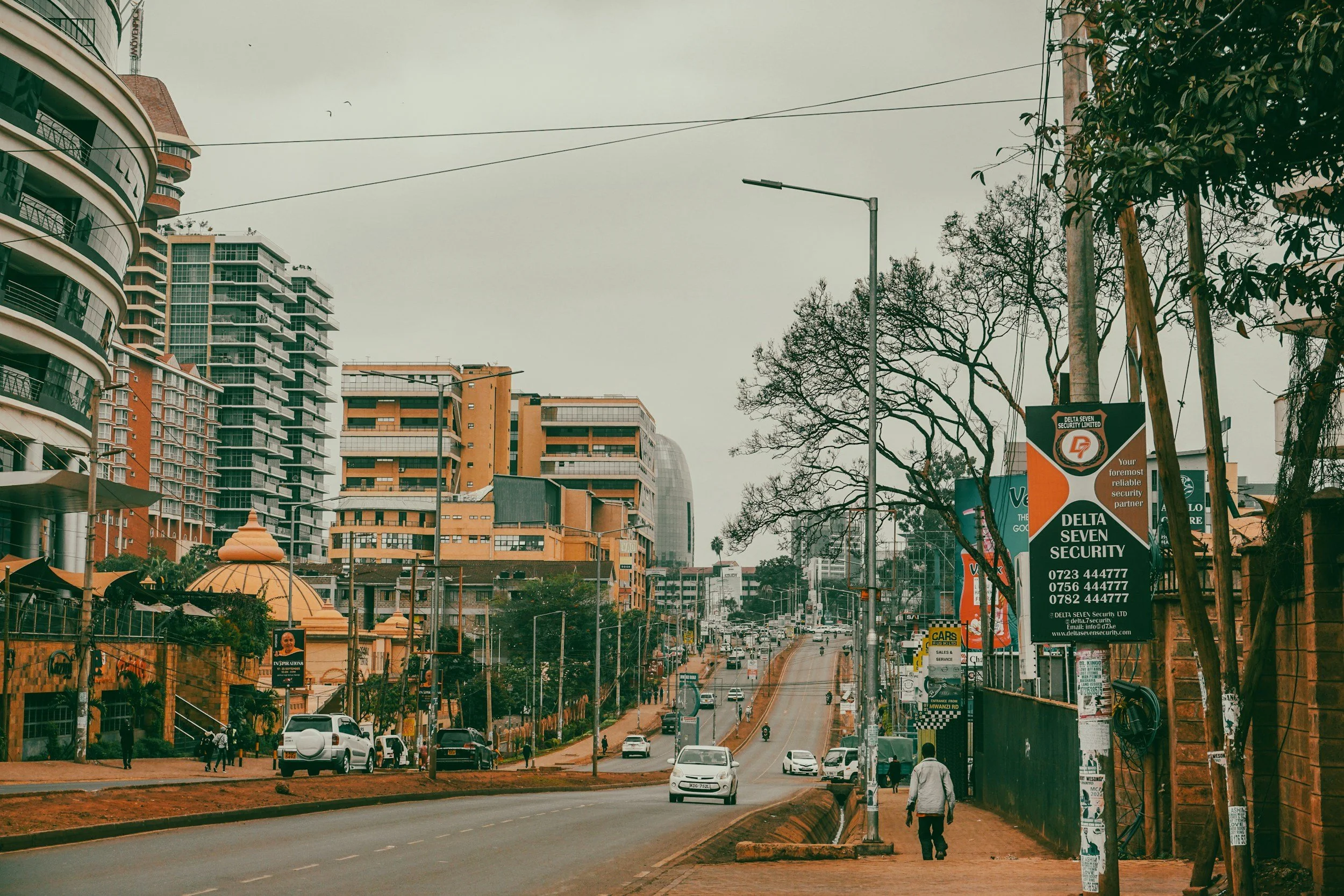
Nairobi, Kenya
Even cities that appear controlled carry this origin. Zurich’s current stability hides a past where movements formed in overlooked corners, in taverns and back rooms, in spaces that were not monitored closely enough to prevent experimentation. It was the birthplace of the Dada movement in 1916 at Cabaret Voltaire, when artists and writers in exile used experimental performances and art to react against World War I, cementing its reputation as an avant‑garde hub. What is now institutional once existed without structure.
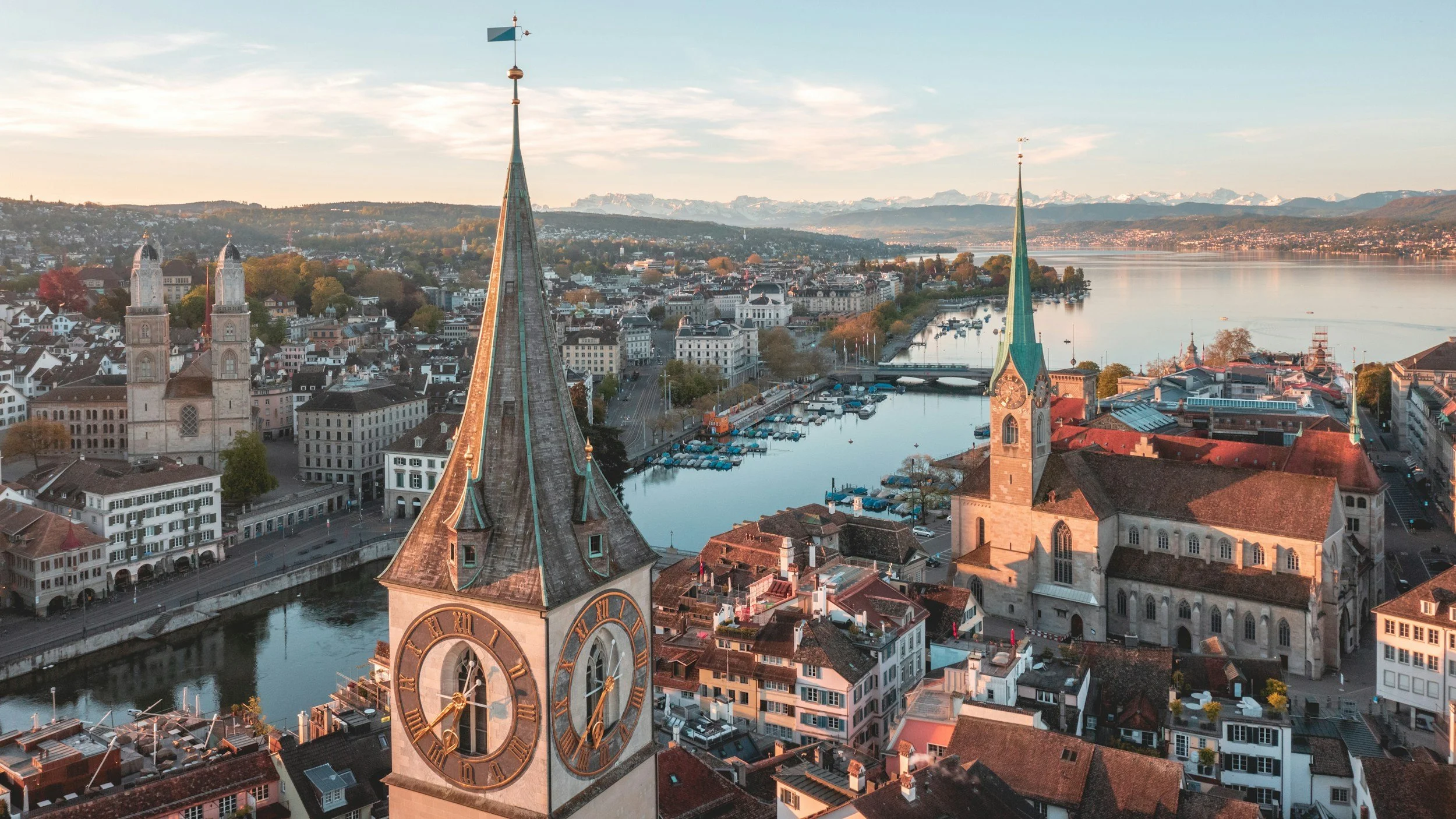
Zurich, Switzerland
This pattern is not accidental. Artists do not gather where everything is provided. They gather where there is room to take, systems are incomplete, and regulation has not yet caught up to the possibility. They congregate where space exists long enough to be used before it is assigned value. Support comes later, if it comes at all. And when it arrives, it rarely protects the artists who built the foundation. It formalizes what was once informal. It stabilizes what was once open. It brings attention that converts into capital, and capital that converts into displacement. The language changes. The work is reframed, and the original conditions are eventually completely erased.
This is the cycle that defines every so-called artist city. Berlin’s rising rents push artists outward. New York has already priced them out. Dakar is beginning to feel the early signs of pressure as visibility increases. Nairobi continues to hold tension between growth and access.
None of these cities is an exception. They are moments. What is called an artist city is often just a place that has not yet been fully claimed by capital. A place where something is still loose enough to allow creation to happen without permission. The lack of funding is not separate from this. Political instability is not separate from this. These conditions are not simply barriers. They are the environment in which the work is formed.
To ignore that is to misunderstand what is being produced, and to romanticize it is something worse. So where will artist move next? To the hills perhaps.