

Festac ’77: When the Diaspora Came Home
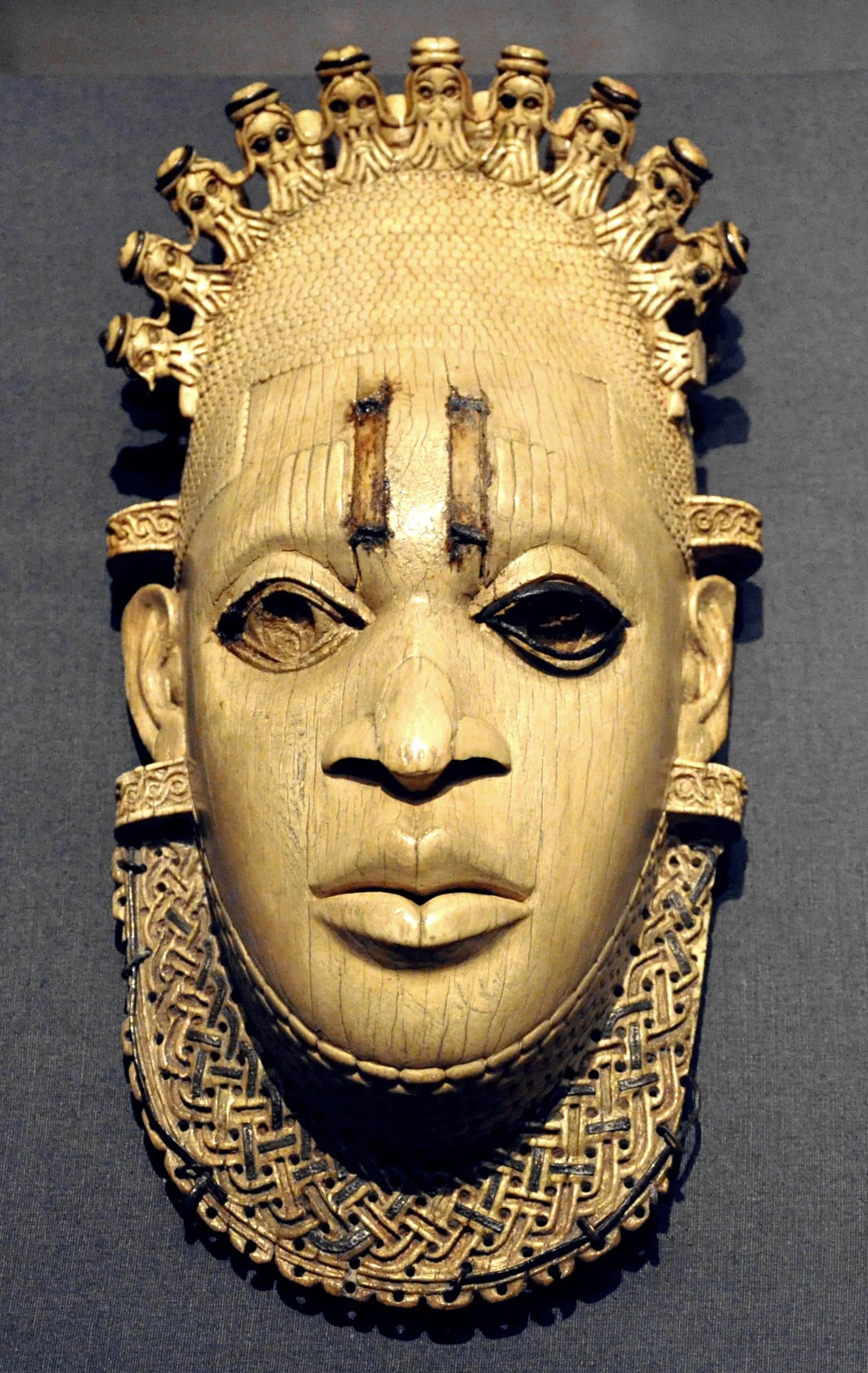
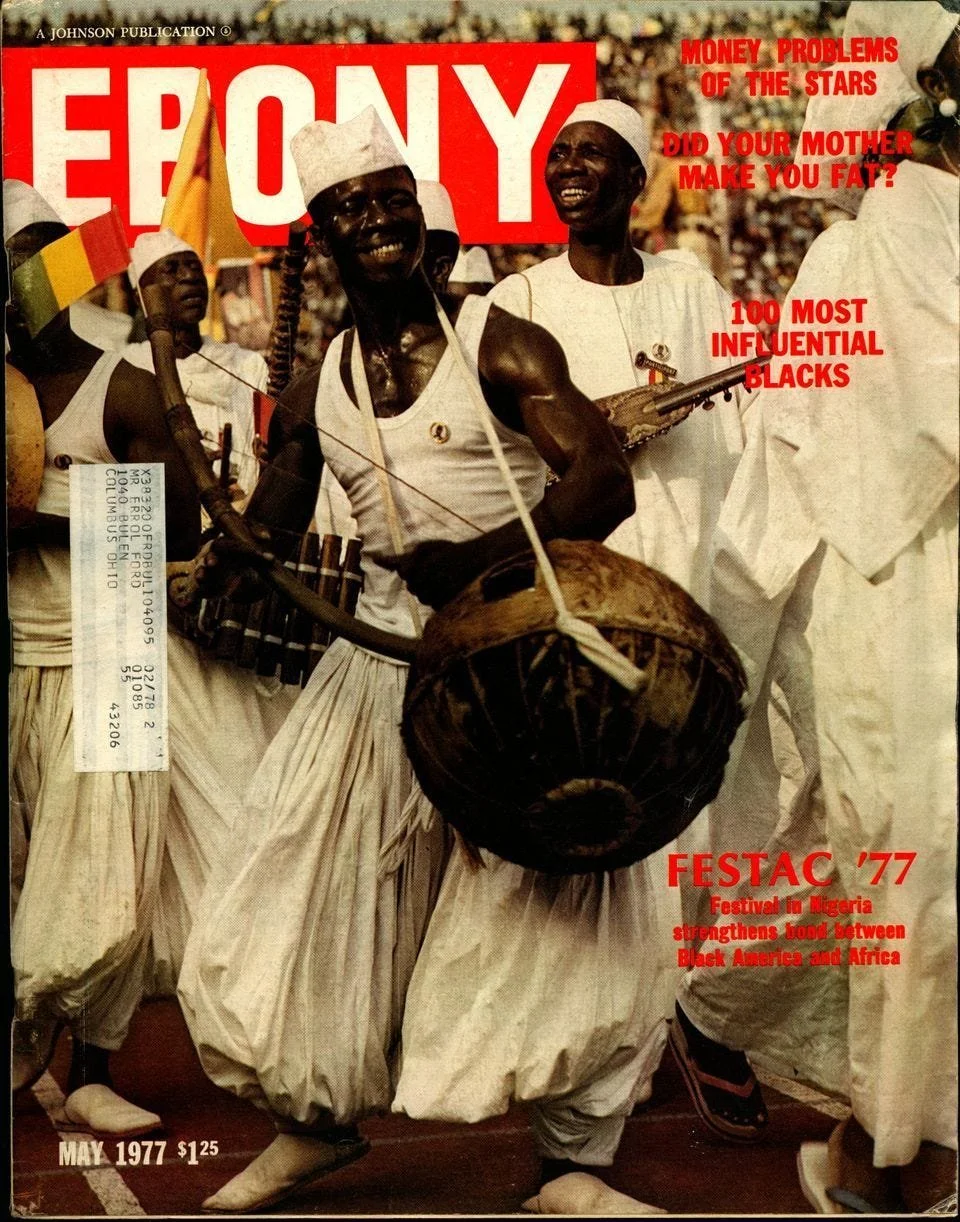
In 1977, the city of Lagos became a meeting place for the Black world as thousands of artists arrived from across Africa and the diaspora to take part in a cultural gathering unlike anything before it. The festival was called Festac ’77, the Second World Black and African Festival of Arts and Culture, and for a brief moment, the city became a crossroads for artists from across Africa and the Black world.
More than 15,000 participants arrived in Lagos. Musicians, painters, writers, dancers, filmmakers, and scholars traveled from across the African continent and from the diaspora beyond it. For many, the gathering felt like something deeper than a festival. It was a return. People who had been separated by oceans, colonization, and time suddenly found themselves standing on the same ground, sharing their work and recognizing pieces of their history in one another.
The idea behind Festac was larger than entertainment. It was about cultural resistance and unity, a declaration that the artistic traditions of Black people across the world were not fragments but part of a shared inheritance. Nigeria opened its doors and built stages, galleries, and gathering spaces for artists to show what they had been carrying in their hands and voices.
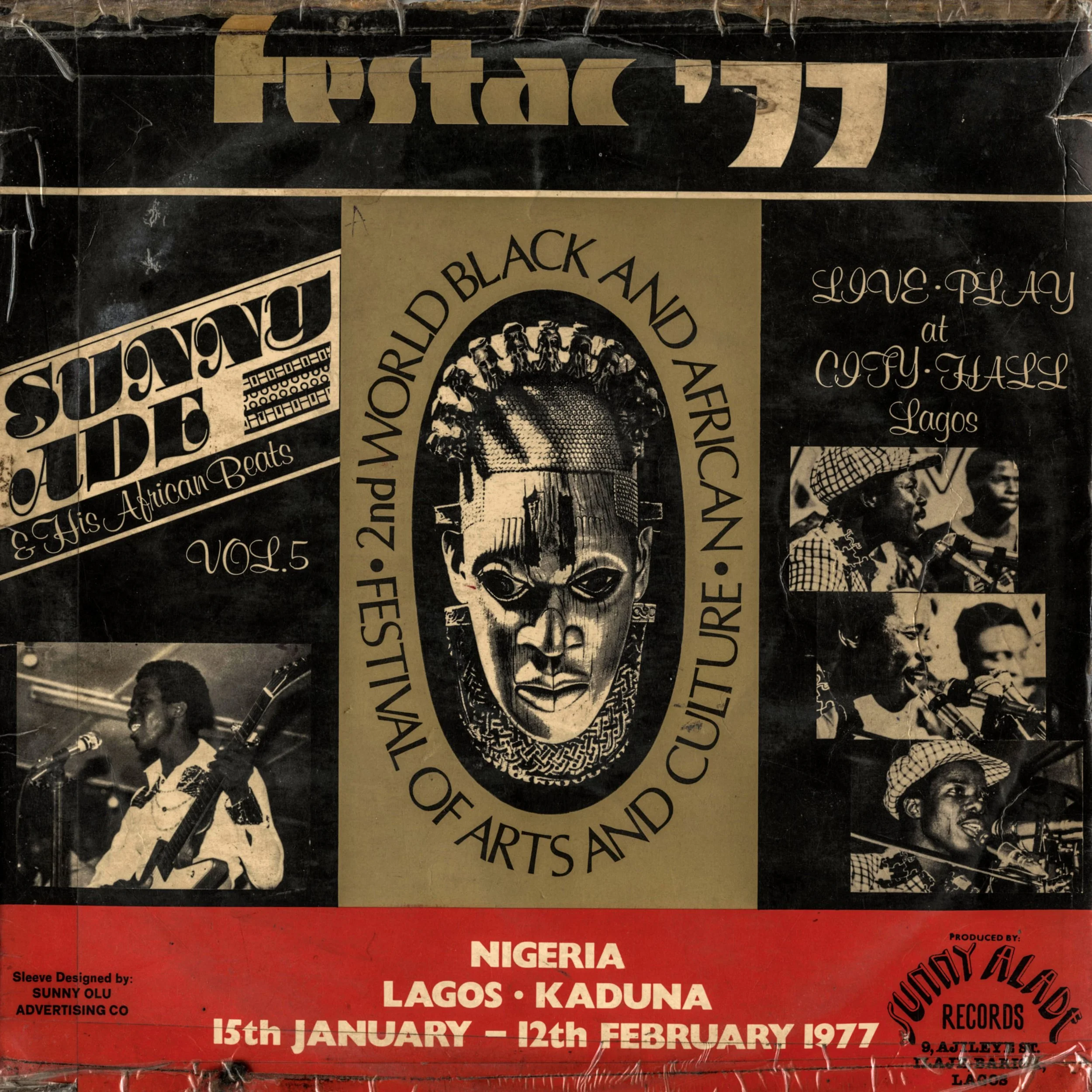
Black American figures who had become cultural giants in their own country were also present. Musicians like Stevie Wonder, Nina Simone, and Sun Ra performed alongside artists from Ghana, Senegal, Ethiopia, Jamaica, Brazil, and dozens of other places. Writers, filmmakers, and painters moved through the crowds, exchanging ideas in the quiet corners between performances. When Festac ’77 officially closed on February 12, Stevie Wonder was one of the artists who had helped bring the festival to its peak. But instead of leaving when the crowds dispersed. During that time, he spent evenings at Fela Kuti’s Kalakuta Shrine, joining jam sessions and moving easily through the city’s music scene.
A few days later, the Grammys were taking place in the United States, and Stevie Wonder had been nominated for several awards. Rather than return to Hollywood, he chose to remain in Nigeria. On February 19th, he accepted four Grammy Awards from the stage of Nigeria’s National Theatre in Iganmu, speaking to the ceremony through a live satellite broadcast.
The moment was arranged with the help of Miriam Makeba, who worked with Wonder to ensure the connection from Lagos would carry the spirit of Festac to the rest of the world. The broadcast had its share of technical hiccups, remembered with some humor as host Andy Williams tried to confirm whether Stevie could see and hear them from across the ocean.
In the end, Stevie Wonder accepted his awards not from a ballroom in Hollywood but from Lagos, surrounded by musicians and artists who had gathered for the festival. During that time Makeba helped guide him through the celebrations, and he appeared with his hair braided with beads, embracing the atmosphere of a cultural moment that had drawn the diaspora together.
Today, looking back on Festac ’77, it is hard not to wonder how different the world might feel if gatherings like that happened more often. The festival bridged a gap that history had forced open between Africa and its diaspora. It reminded everyone present that culture could travel across borders even when people could not.
But the spirit of Festac hasn’t disappeared entirely. Modern festivals like Afropunk, Dak’Art: the Dakar Biennale, and the Lagos Biennial continue to create spaces where artists from across the global Black community can meet, collaborate, and challenge each other. They may not carry the same scale as that moment in 1977, but they carry the same desire to build bridges through art.
Festac ’77 remains one of the most powerful examples of what can happen when artists gather with purpose. It showed that art could do more than entertain; it could connect histories, spark new collaborations, and remind people scattered across continents that they are still part of the same story.
And maybe that is the quiet lesson the festival leaves behind. When artists come together to listen, learn, and compete in the healthiest sense of the word, community forms., seeds are planted, and a language of culture emerges.
For a few weeks in 1977, Lagos held that language in the air. And the echoes of it are still traveling.
For further exploration, check our article with Ridwan Lasisi and his work and commentary on Festac 77. Chimurenga has created an amazing Festac 77 Mix and sells a Festac 77 T-shirt on their online shop as well.