
Colour, Memory, and the Universal Body
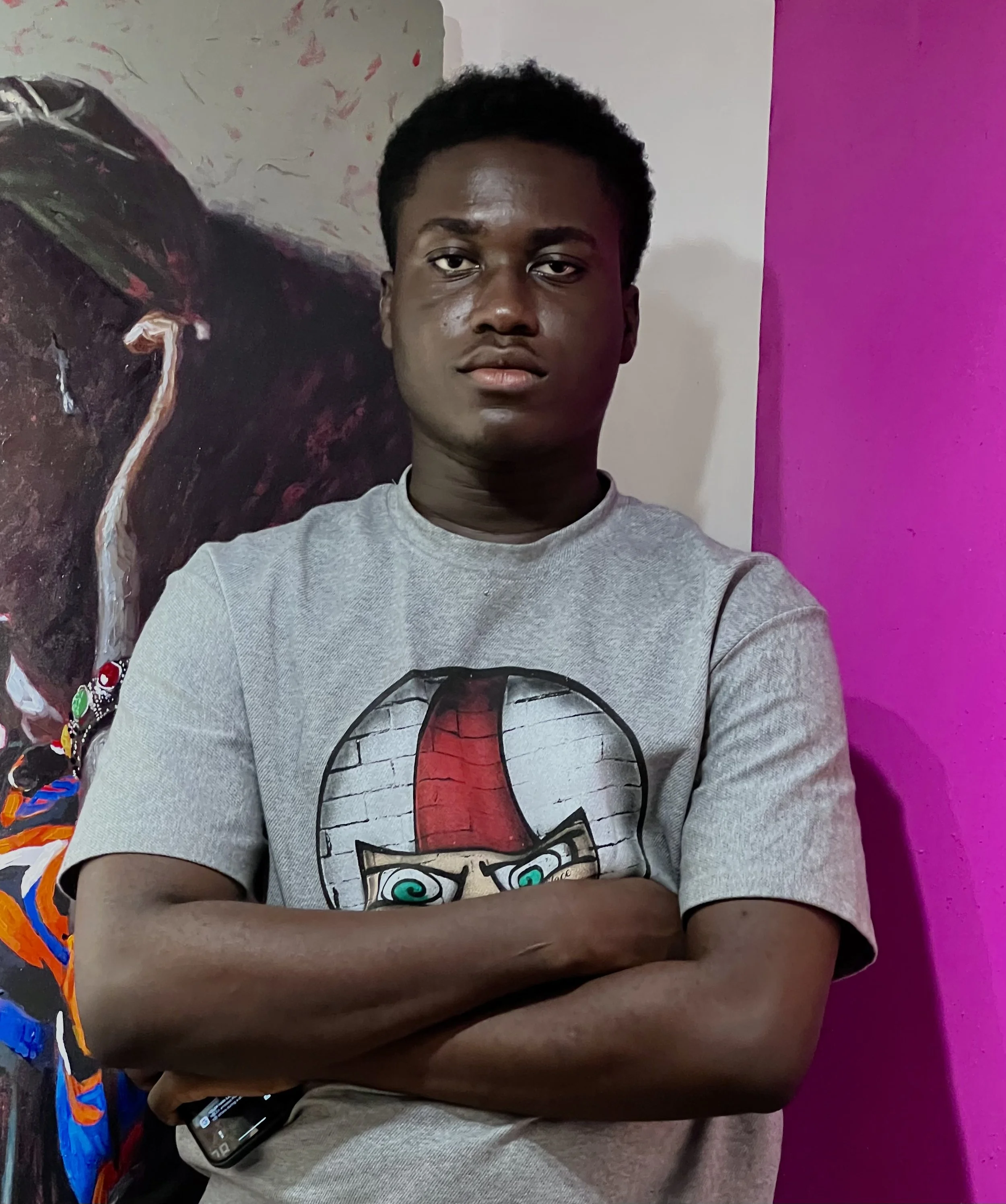
The painter Ridwan Lasisi works with the kind of quiet persistence that grows out of necessity. He was not raised in a world that promised art as a livelihood. Where he grew up in Lagos, Nigeria, the path to stability was supposed to be narrow and respectable such as a doctor, lawyer or civil servant. Painting was something uncertain, something you did only if you were willing to build your own road.
Against expectations, Lasisi built his road anyway.
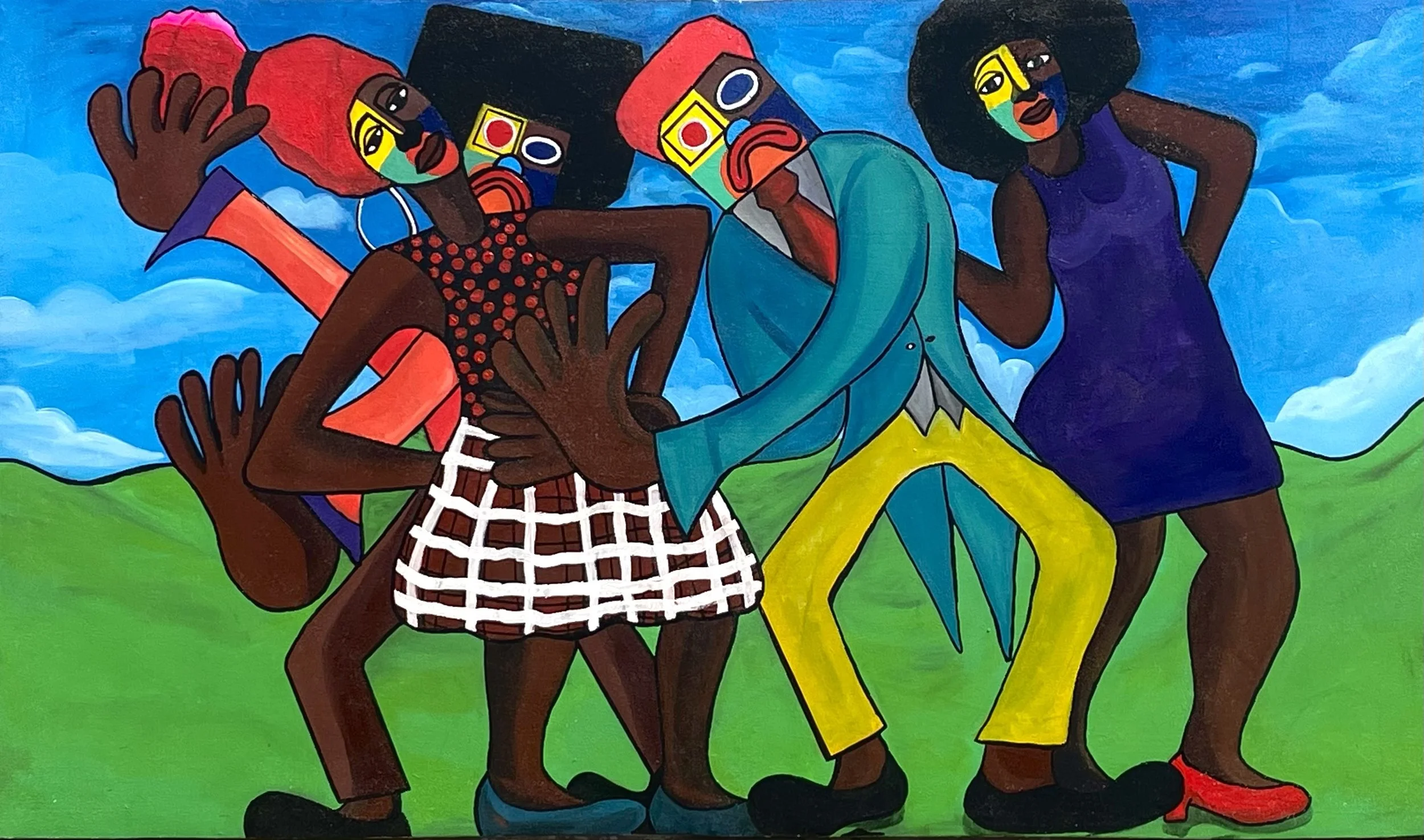
In the beginning, there were few resources and no real blueprint. Paint and canvas were not always available, so he worked with what the world left behind and used abandoned wood, scraps of paper, whatever could hold pigment long enough for an idea to settle. From those small beginnings, he developed a language made of colour, memory, and the human body. At the center of that language is a recurring figure he calls Real1.
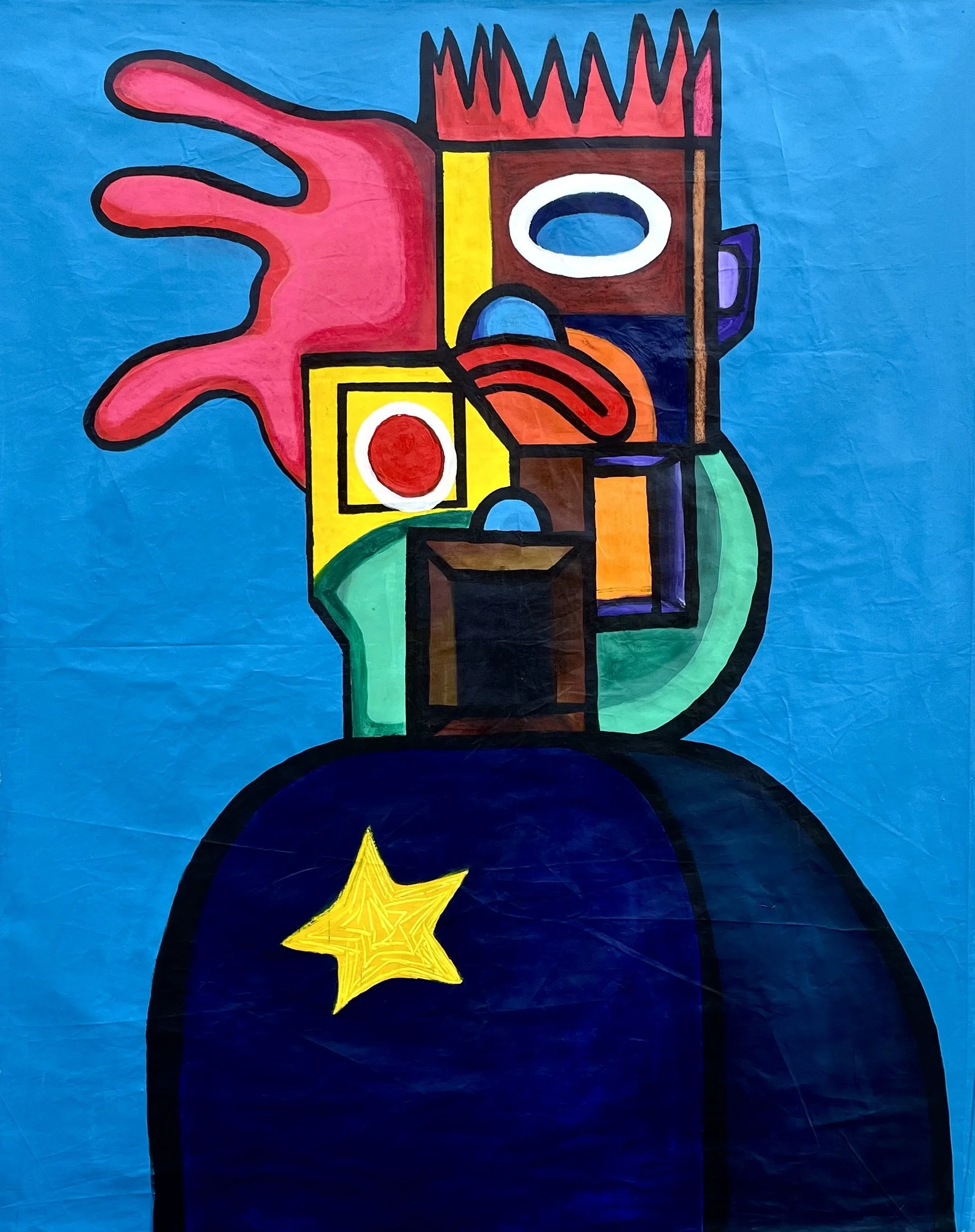
Real1 is not meant to be a portrait of any particular person. Instead, Lasisi imagines it as a universal body, a vessel that carries tension, vulnerability, and resilience all at once. In his paintings, the figure bends and stretches through fields of bold colour and layered texture, like a person moving through weather that cannot quite be predicted. The body becomes a place where memory lives.
For Lasisi, history is never something finished or settled. It lingers in the present, shaping identity and emotion long after the events themselves have faded from everyday conversation.
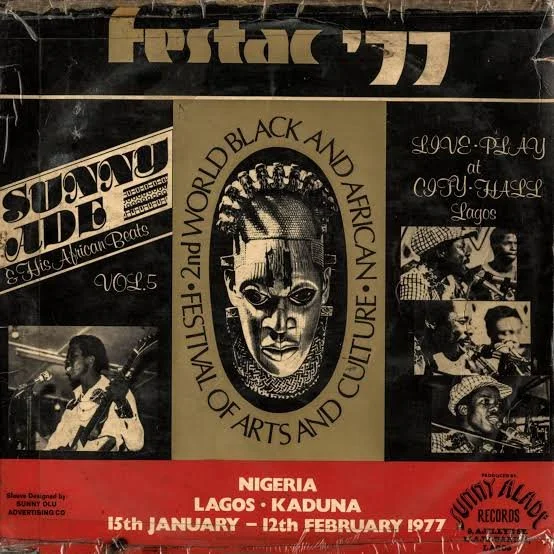
One painting that carries this idea deeply is “Shadow of ’77,” a large work measuring 89 by 99 centimeters. The piece was inspired by Lasisi’s discovery that many people around him knew little about Festac ’77, the Second World Black and African Festival of Arts and Culture held in Lagos in 1977. The event brought together artists and cultural leaders from across the African continent and the diaspora and was one of the largest gatherings of Black culture in history.
Yet for many young Nigerians, the memory of the festival seemed strangely quiet.
Lasisi found that silence unsettling. How could such a monumental moment fade so easily from public conversation?
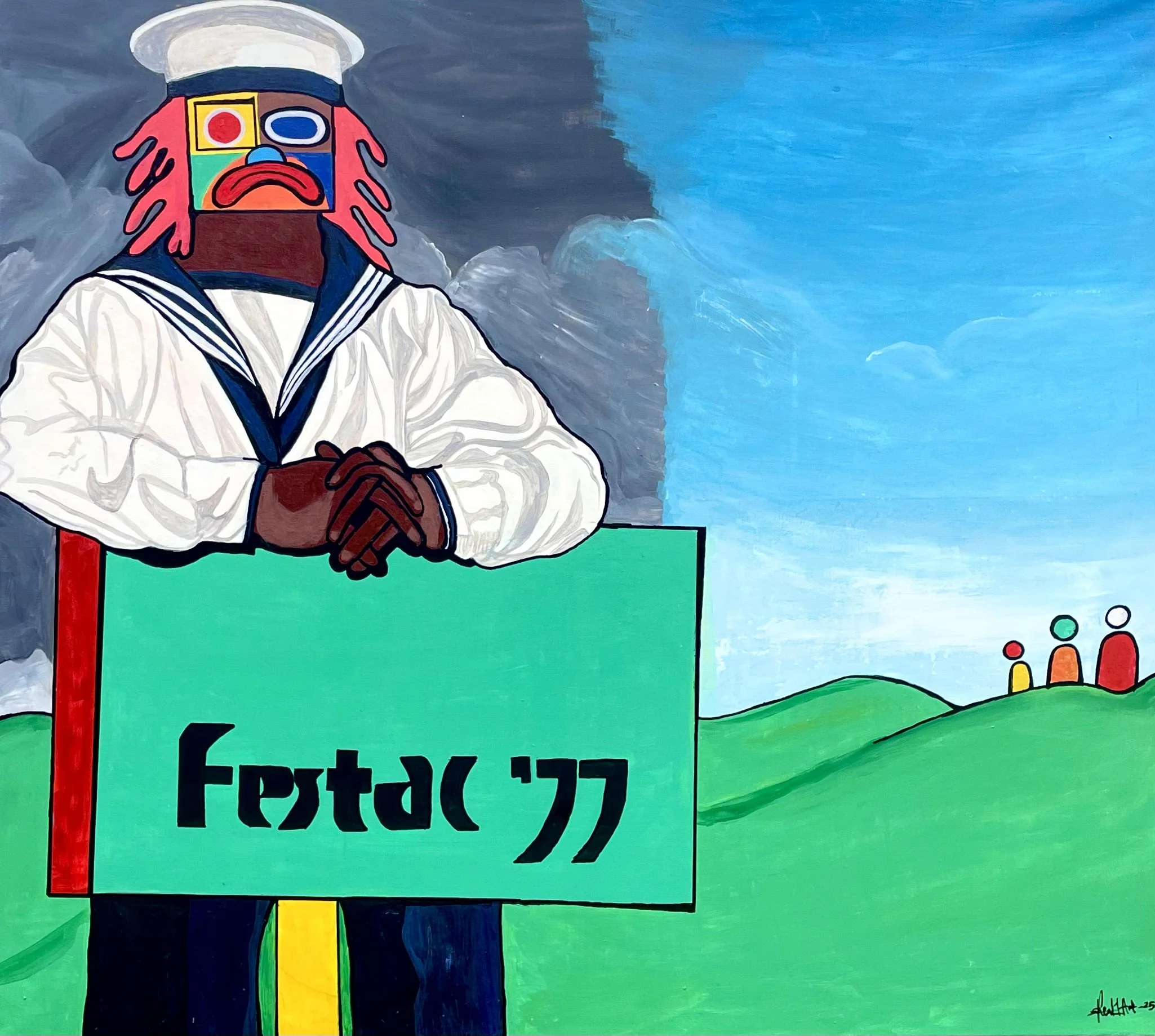
In Shadow of ’77, the figures appear caught between celebration and instability, between memory and disappearance. The painting suggests that history can be reshaped, softened, or even erased depending on who controls the story. But it also insists that cultural memory survives in other ways—in bodies, emotions, and artistic expression. The work is not only nostalgic but also a quiet act of reclamation.
Lasisi’s materials mirror this sense of movement and instinct. He works primarily with acrylic paint and oil pastel, mediums that demand both patience and intuition. Acrylic asks the artist to respect its rhythm, in the way it dries, and the way layers build slowly over time. Oil pastel, by contrast, invites the hand to move freely, almost impulsively, across the surface. Together, they allow Lasisi to remain close to the act of making.
Like many artists at the beginning of their careers, he has also faced the familiar tension between artistic honesty and market expectation. The practical realities of being an artist, such as buying materials, maintaining space, and sustaining the time to create, can sometimes push artists toward what collectors want to see. Lasisi understands that pressure, but he has chosen a different approach.
He listens to his audience without allowing it to determine the direction of his work. Authenticity, for him, is not a slogan but a working principle. The paintings must come from an honest place first. If viewers connect with them afterward, that connection becomes meaningful rather than calculated.
Looking ahead, Lasisi hopes to widen the scope of his practice. Travel, research, and time spent in Black archives are central to his future plans. He wants to study how memory moves across continents and cultures, and how those histories continue to shape the present.
Residencies, large-scale installations, and eventually a solo exhibition are among the goals he is working toward. A biennial stage would allow the work to enter a larger global conversation.
But even as those ambitions take shape, the foundation of his practice remains simple. That history, no matter how often it is forgotten, has a way of returning through the hands of those willing to paint it.