

Jaffna’s Rebel Son- Shan Vincent de Paul
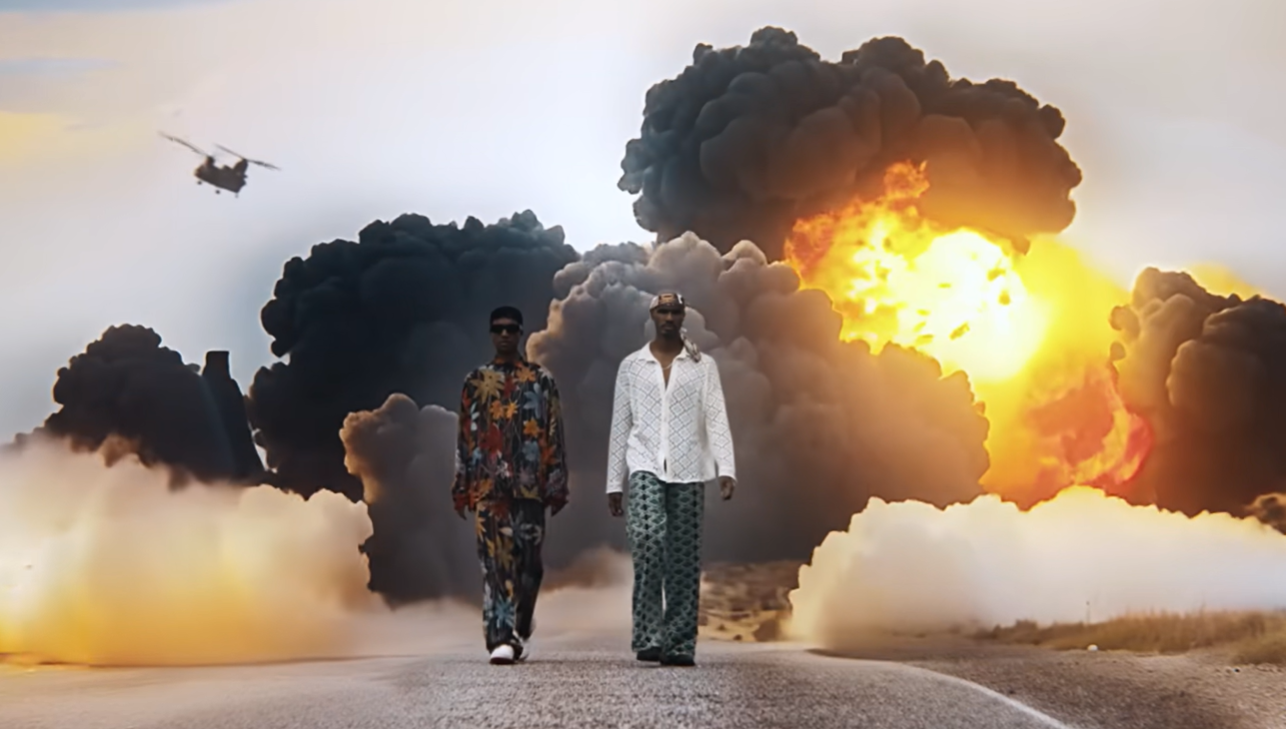
Still from SVDP x Yung Raja - AIYO!
There are artists whose work feels born from a place, and there are others whose work carries the weight of many places at once. Shan Vincent de Paul belongs to the second kind. His music moves between continents the way memory does, never staying in one place too long, always pulling the past forward into the present.
Shan was born in Jaffna, Sri Lanka, in a region marked by conflict and displacement. When his family fled the violence of the Sri Lankan civil war and resettled in Toronto, they carried with them the quiet burden familiar to many who leave home not by choice but by necessity. That ache of migration and the stubborn persistence of identity runs like a river through Shan’s work.
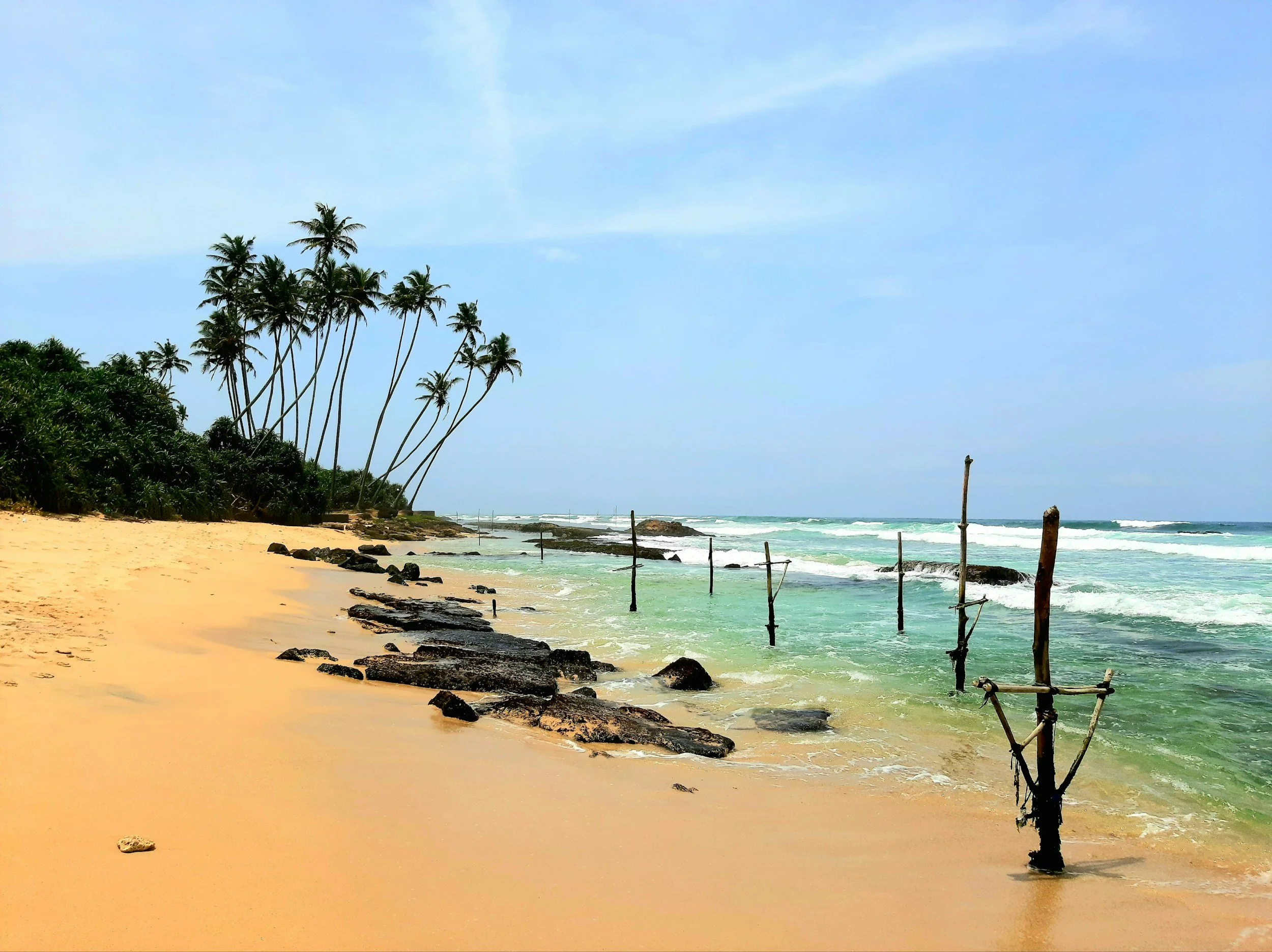
Jaffna, Sri Lanka
Shan Vincent de Paul (SDVP) builds songs that feel both restless and rooted. His music pulls from hip-hop, electronic production, and the rhythms of Tamil culture, stitching them together into something that belongs wholly to him. English and Tamil slip between one another in his lyrics the way languages do in the mouths of diaspora children, where memory and invention live side by side.
One of the clearest examples of his craft can be heard in the song “Neeye Oli.” The track moves with a steady urgency, layering sharp percussion and hypnotic melodies with verses that carry the cadence of resistance. It found a wider audience when it appeared in the film Sarpatta Parambarai, bringing Shan’s sound to listeners far beyond the circles that first embraced his work.
But Shan Vincent de Paul is more than a musician. He is also a filmmaker and visual artist, shaping the images that accompany his music with the same careful attention he gives to sound. His videos carry a cinematic weight—bold colors, powerful symbolism, and a sense that each frame is trying to reclaim something that history once tried to erase.
Made in Jaffna stands as a quiet declaration. It refuses the narrow stories often told about Tamil communities and instead offers something fuller—stories of survival, pride, and the stubborn beauty of a culture that endures across oceans. He begins 2026 with Lost & Found, a smoother collaboration with Anjulie that feels built for warm nights and long drives.
Shan Vincent de Paul’s music refuses the easy narratives often assigned to South Asia by the West. His sound is urgent and unfiltered, shaped by the experience of migration, loss, and cultural survival. What comes through in his work isn’t just a nostalgic postcard of Sri Lanka but a reclamation of his culture and the voice of an artist who has taken the fragments of identity handed to him and rebuilt them into something defiantly his own.