How Artists Protect Their Work When Collaborating
Artists love to talk about collaboration like it’s some kind of sacred ritual, two minds meeting, magic happening, genius multiplying. And sometimes it is. You put two creative people in a room with a bottle of something strong and a good idea, and suddenly you’re building something neither of you could’ve made alone.
But here’s the part nobody romanticizes: the moment when that shared idea starts looking valuable. That’s when things can get messy.
If you’ve been around creative spaces long enough—studios, collectives, galleries, digital platforms—you’ve seen it happen. Someone sketches the concept. Someone else finishes the piece. Then the project takes off, and suddenly nobody quite remembers who did what. Credit gets fuzzy. Money gets weird. Relationships implode.
So if you're an artist collaborating with other artists, and especially if you're building your own platforms, archives, or galleries, you need to do one simple thing before you start: clarify everything!
Not later. Not after the show opens. At the beginning. One thing that BIPOC artists should be doing is collaborating, creating our own systems, businesses, projects, opportunities, and events. But the fear of having work stolen often stops that. There’s a way to have our cake and eat it, too.
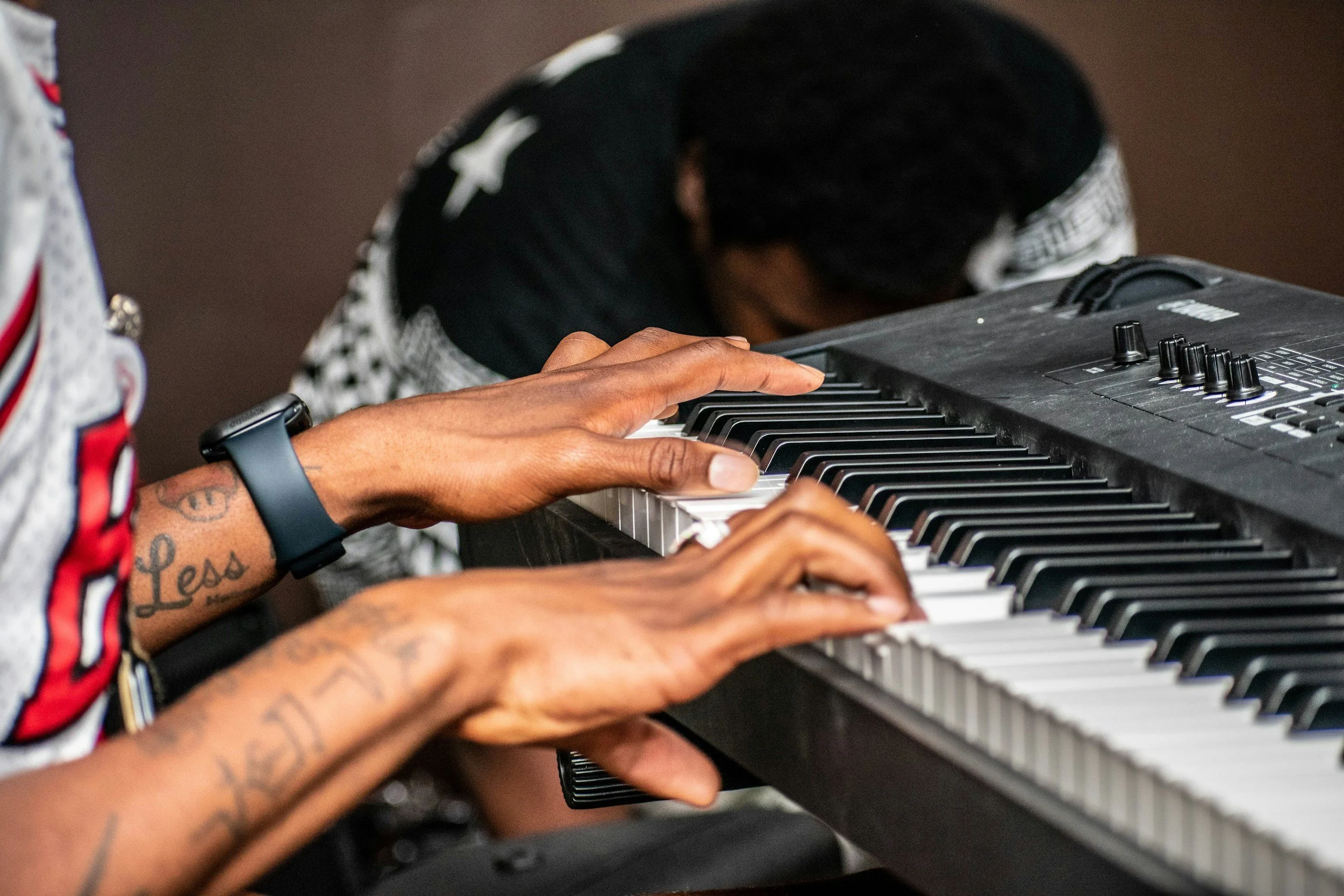
Start with a contract. It doesn’t have to be some terrifying legal document written by a Manhattan law firm. A straightforward collaboration agreement will do the job. Write down who owns what, how the work can be used, and what happens if money enters the picture. Who gets paid, how much, and when. It’s basic respect with paperwork attached.
If you're sharing early concepts—designs, drafts, ideas that aren't ready for the world yet—an NDA can keep things contained. Think of it as a quiet understanding that the conversation stays in the room.
The good news is, artists don’t need to hire a legal army to do this. Platforms like Rocket Lawyer and similar services have templates you can customize in about an hour. The important thing isn’t legal theater. It’s clarity.
Then there’s the practical stuff.
When you’re sharing work in progress, don’t hand over pristine, high-resolution files like candy. Use watermarks. Put your name, your site, and your copyright right across the image. If someone wants to see the idea, they can see it just fine with a watermark on it.
And keep the files small. Low-resolution previews are enough for discussion. Nobody needs a full production file before the agreement is locked down.
Programs like Photoshop and Canva make this ridiculously easy. And if you’re running your own site or digital archive, you can even disable right-click downloads or limit access to certain images. It won’t stop a determined thief—but it slows down the lazy ones, which is most of them.
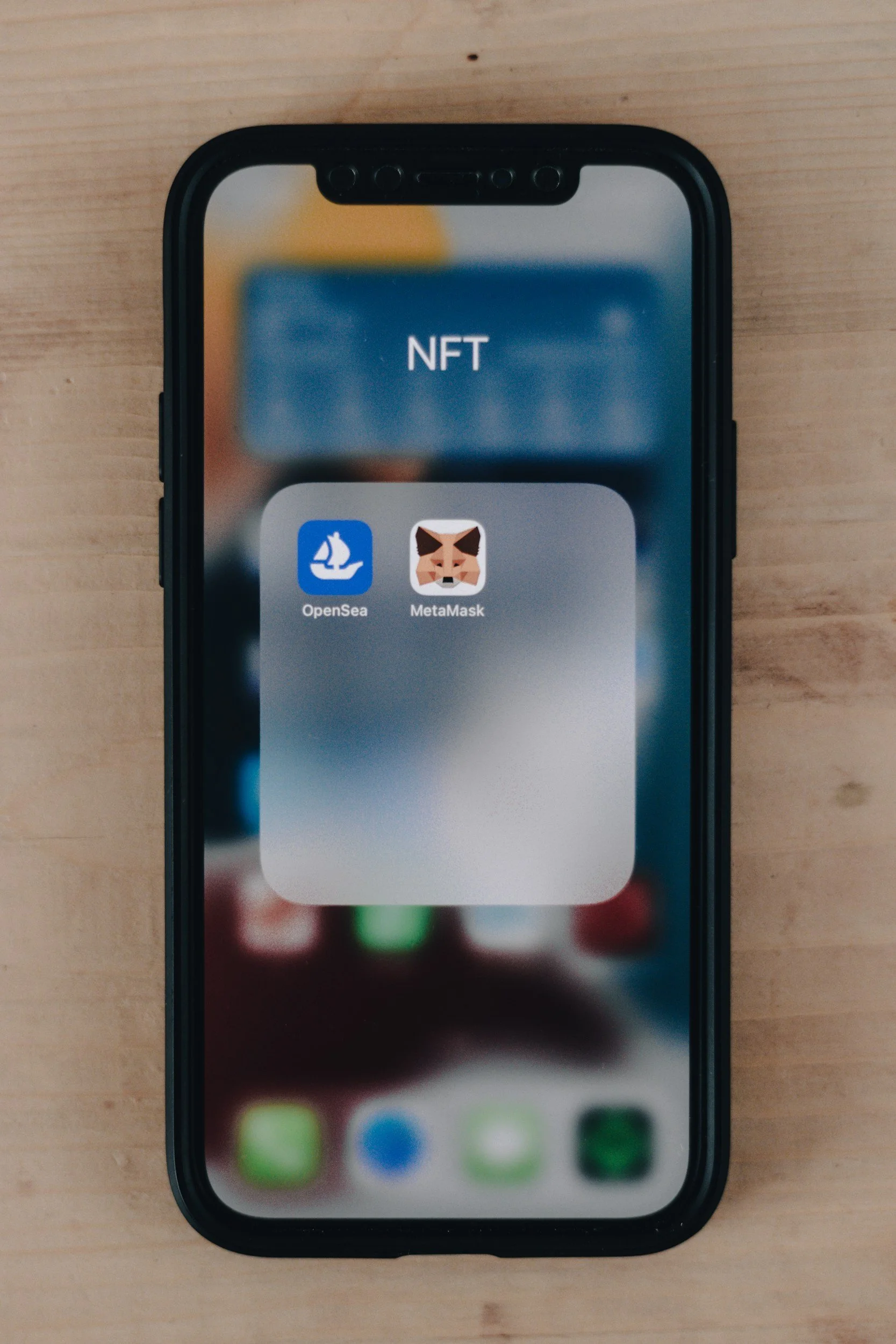
Now we’re living in a time where artists have another strange but useful tool: blockchain. Forget the hype for a second. What matters here is documentation. When you register a piece of work on a blockchain platform, you’re basically stamping the moment of creation into a ledger that can’t be easily altered. It proves the work existed at a certain time and belonged to a certain creator.
Platforms built on systems like Flow or collaborative tools like Story’s Magma are starting to let artists track authorship and even royalties automatically. For digital artists especially, that’s powerful. It means if the work travels, a record travels with it.
But the biggest difference in protecting collaborative work usually comes down to something less glamorous: where you actually work together.
Creative projects fall apart fast when everything lives in a mess of email attachments and random file transfers. Use structured spaces. Trello. Asana. Google Workspace. These tools let you manage projects, control who sees what, and keep a record of changes. If someone adds something, it’s logged. If something gets removed, you can see when.
If you’re running your own platform, such as an online gallery, archive, or collective, use private areas to share early work. Password-protected galleries. Member-only pages. Places where collaborators can see the work without releasing it to the entire internet.
None of this kills creativity. It just removes the chaos that ruins it.
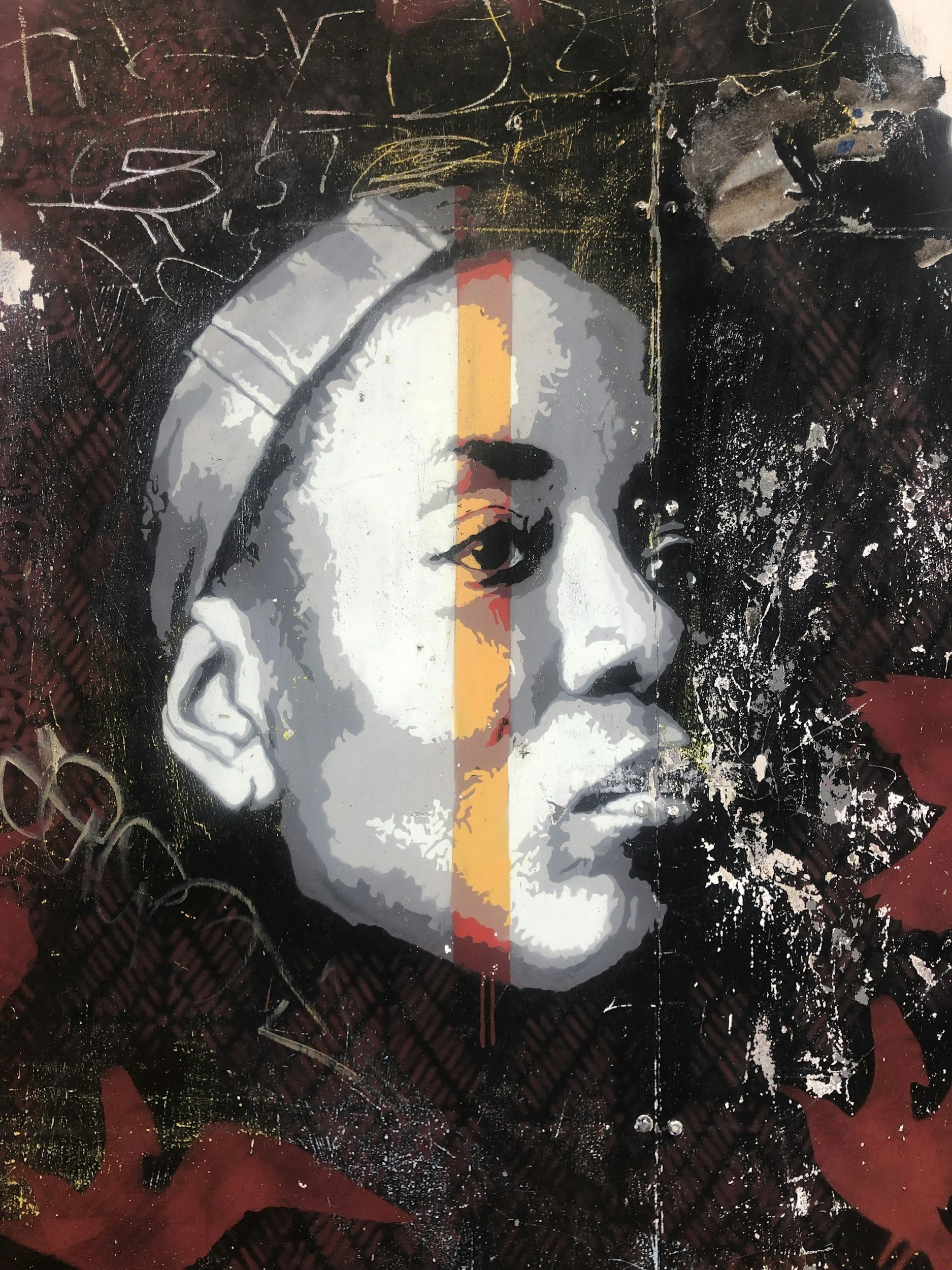
Because the truth is, collaboration is one of the most powerful things artists can do, especially for BIPOC artists who’ve historically been shut out of institutions and forced to build their own ecosystems. Collaboration is how communities form. It’s how movements grow and how platforms get built from nothing.
But once the work starts gaining attention, once audiences show up, once there’s money or recognition involved—you want the structure already in place.
Not because you expect betrayal. But because good collaborations deserve to survive success. The best creative partnerships run on two things: trust and clarity. Not one or the other. Both. Get the agreement written. Protect the work while it’s in progress. Use tools that keep records and mark, what’s yours.
Then get back to doing the thing that actually matters—making something so good nobody can ignore it.